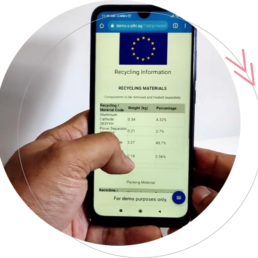

The EU Packaging and Packaging Waste Regulation, commonly known as the PPWR, entered into force in February 2025 and will generally apply from August 12, 2026. Its requirements are being introduced in phases, but the direction is already clear: companies will need not only packaging that meets the applicable rules, but also reliable information and evidence to demonstrate compliance.
According to Ana Ferreira, Ontex’s Group Regulatory Advocacy Manager, complying with PPWR is no longer just about having compliant packaging—it’s about being able to demonstrate compliance through reliable information and documentation. “PPWR is not simply another packaging regulation. It changes how packaging information is managed, shared, and governed across the value chain.”

What will change in practice?
As PPWR becomes applicable, companies can expect requests for packaging information to become more detailed and more frequent. Customers, retailers, and business partners are increasingly asking not only what packaging is used but also what it is made of, how it supports regulatory requirements, and whether supporting documentation can be provided.
For Ana, the shift is best illustrated through a simple example. “Take a diaper. We no longer think only about the diaper itself. We think about the bag, the carton, the pallet and the stretch film that bring it to the customer.”
Behind every packaging component sits a growing volume of information that companies will need to manage and share. As requests from customers and retailers become more detailed, companies need confidence that they can quickly provide accurate and up-to-date information.
The real challenge: managing packaging information
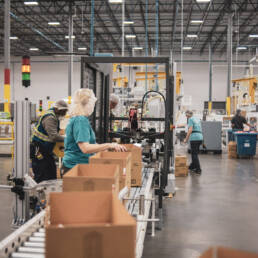
One of the biggest misconceptions about PPWR is that compliance is primarily about changing packaging materials. Packaging data often originates from multiple suppliers, manufacturing sites, and internal systems. Technical documentation, material specifications, and supplier declarations may all exist, but not always in one place.
As customer requests increase, companies need confidence that they can efficiently provide accurate, consistent, and up-to-date information. “Most companies already have much of the information they need,” says Ana. “The challenge is bringing it together, keeping it current and being able to share it when needed.”
This is why companies should already be taking action.
- Packaging should be reviewed with future requirements in mind, particularly around recyclability, recycled content and long-term compliance.
- At the same time, companies need a clear approach for managing packaging information. Reliable technical documentation, supplier engagement and traceable packaging data will become increasingly important.
- Finally, PPWR should not be viewed as the responsibility of a single department. Regulatory, packaging, procurement, sustainability, IT, operations and commercial teams all have a role to play.
How Ontex supports its customers
At Ontex, we are building capabilities to support customers by providing packaging information, supporting documentation and regulatory expertise to help them navigate evolving PPWR requirements. “Customers are looking for practical answers to very practical questions,” says Ana. “That’s why we’re investing in training for our commercial teams and strengthening how packaging information is managed across Ontex, so we can better support customers and respond to PPWR-related requests.”
This includes responding to packaging information requests, providing supporting documentation and sharing regulatory expertise to help customers navigate new obligations. As requirements continue to evolve, we also engage with suppliers to improve data quality, consistency and traceability.
Looking beyond PPWR
“PPWR is about much more than packaging. It’s about making information available across the value chain so companies can demonstrate compliance and support a more circular economy.”
Future initiatives beyond packaging, such as Digital Product Passport (DPP), will place even greater emphasis on traceability and reliable product information. For businesses, success will depend not only on packaging design, but also on the ability to build the processes, partnerships and information flows needed to support the next generation of sustainability and transparency requirements.
This article provides general information and does not constitute legal advice.